
Reference Desk
A practical directory of public weather, ocean, reef, marine science and diving resources. Use these links to find observations, maps, databases and background information from specialist organizations.
Find a resource
References are grouped by purpose so readers can move quickly from current conditions to ocean observations and research tools.
Tropical weather
Official and specialist sources for cyclone outlooks, radar, storm tracks and historical observations.
Global and regional forecasting
Global severe-weather information and links to national authorities.
Tropical cyclone outlooks, warnings and tracking information for Australia.
Official Canadian tropical cyclone forecasts and track information.
Regional cyclone information for the South-West Pacific.
Official observations, forecasts and cyclone bulletins for India.
Tropical cyclone analysis and regional weather information.
Cyclone monitoring for the south-west Indian Ocean.
National forecasts, warnings and marine weather services.
Official Atlantic and eastern Pacific tropical cyclone guidance.
Current areas of potential tropical cyclone development.
Development outlook for the eastern North Pacific.
Satellite imagery, research and educational storm material.
Worldwide storm maps and compiled tropical weather information.
Forecast models, field reports and archives
Model track displays from the South Florida Water Management District.
Experimental model products and development guidance.
Storm commentary and field reporting.
Background on airborne weather reconnaissance.
Searchable records of tropical cyclone paths and intensity data.
A snapshot of notable recent weather observations around the world.
Weather radar networks
Ocean observations
Satellite and buoy products for sea temperatures, reef heat stress, surface height, ocean color, ice and tsunami monitoring.
Sea-surface temperature
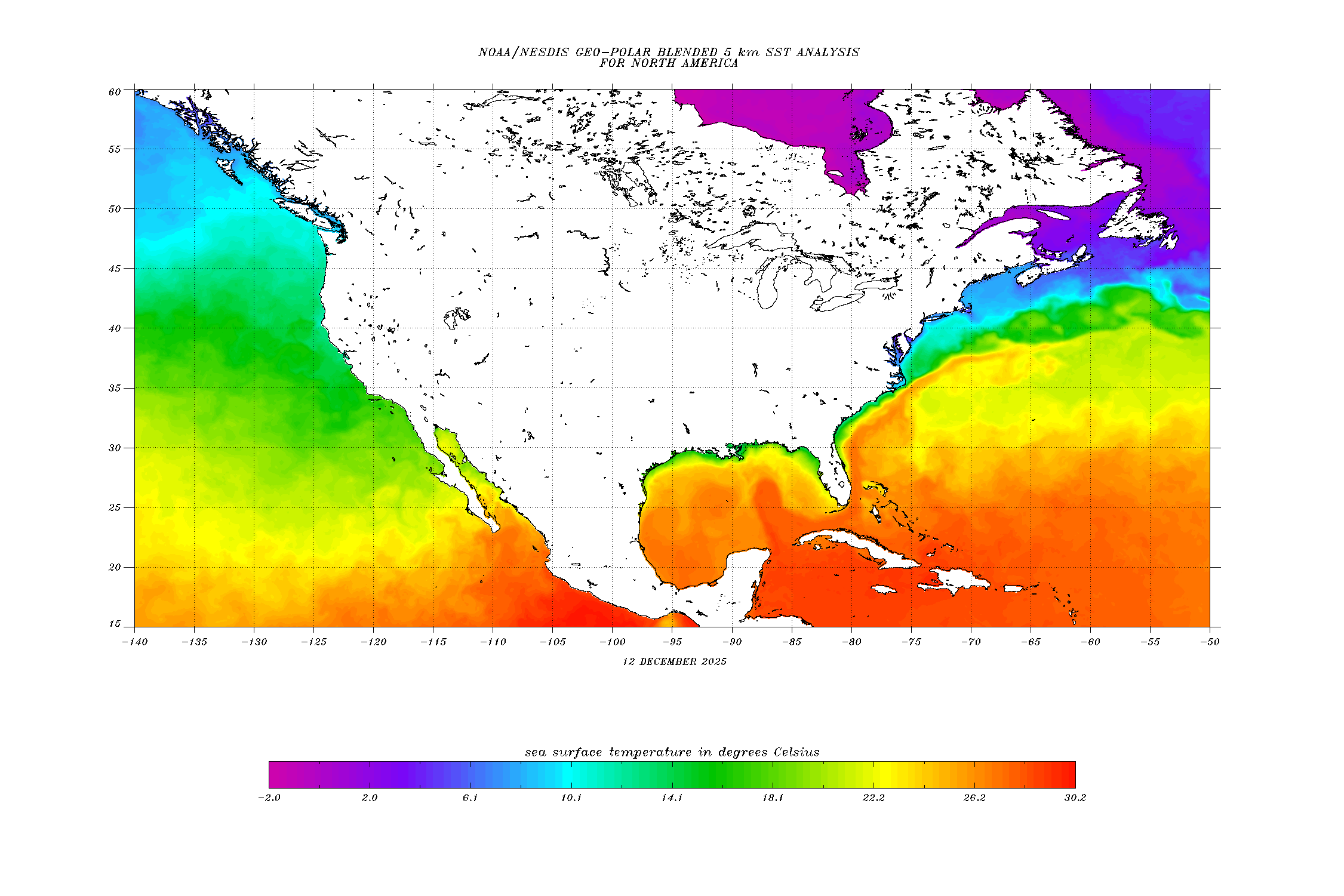
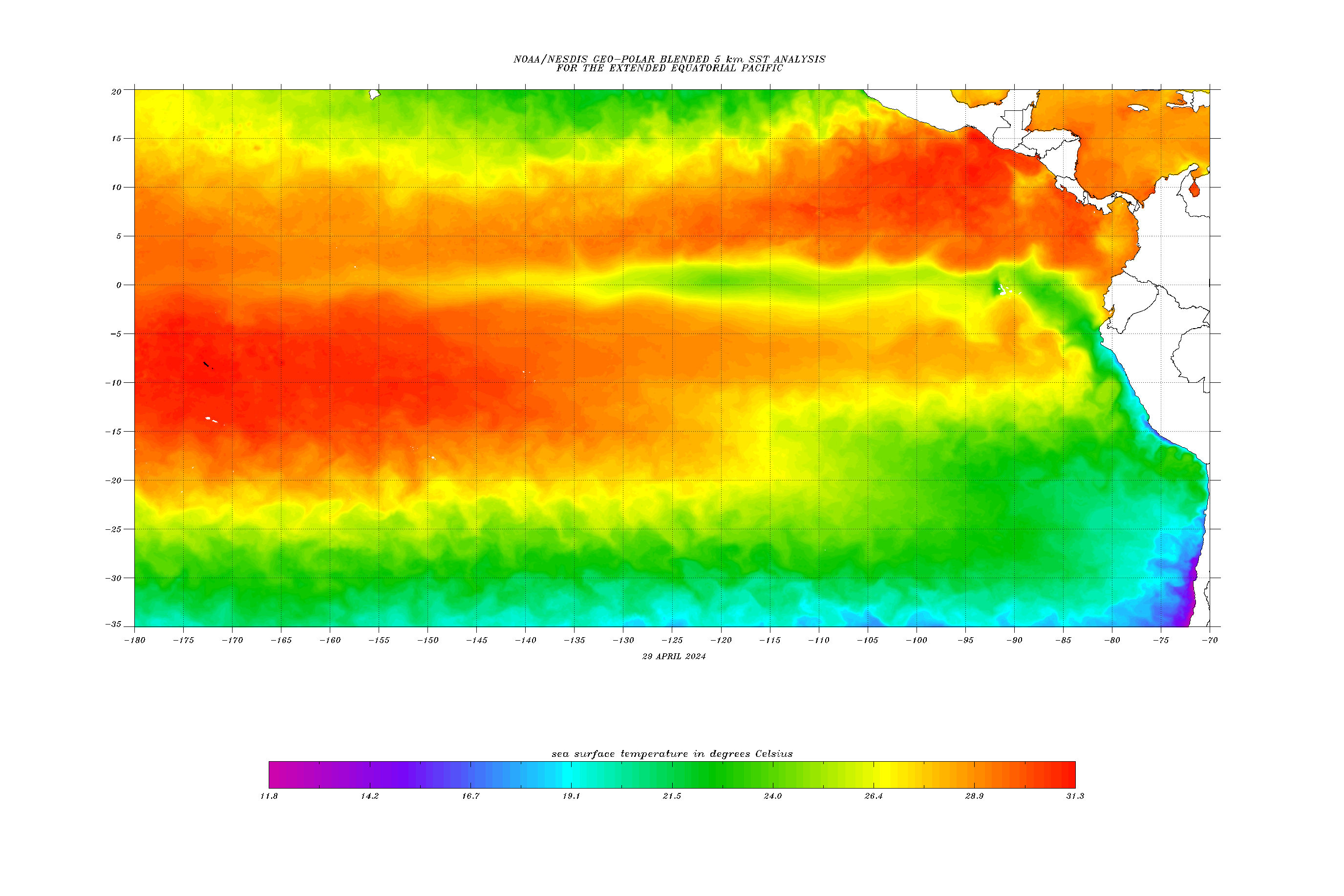
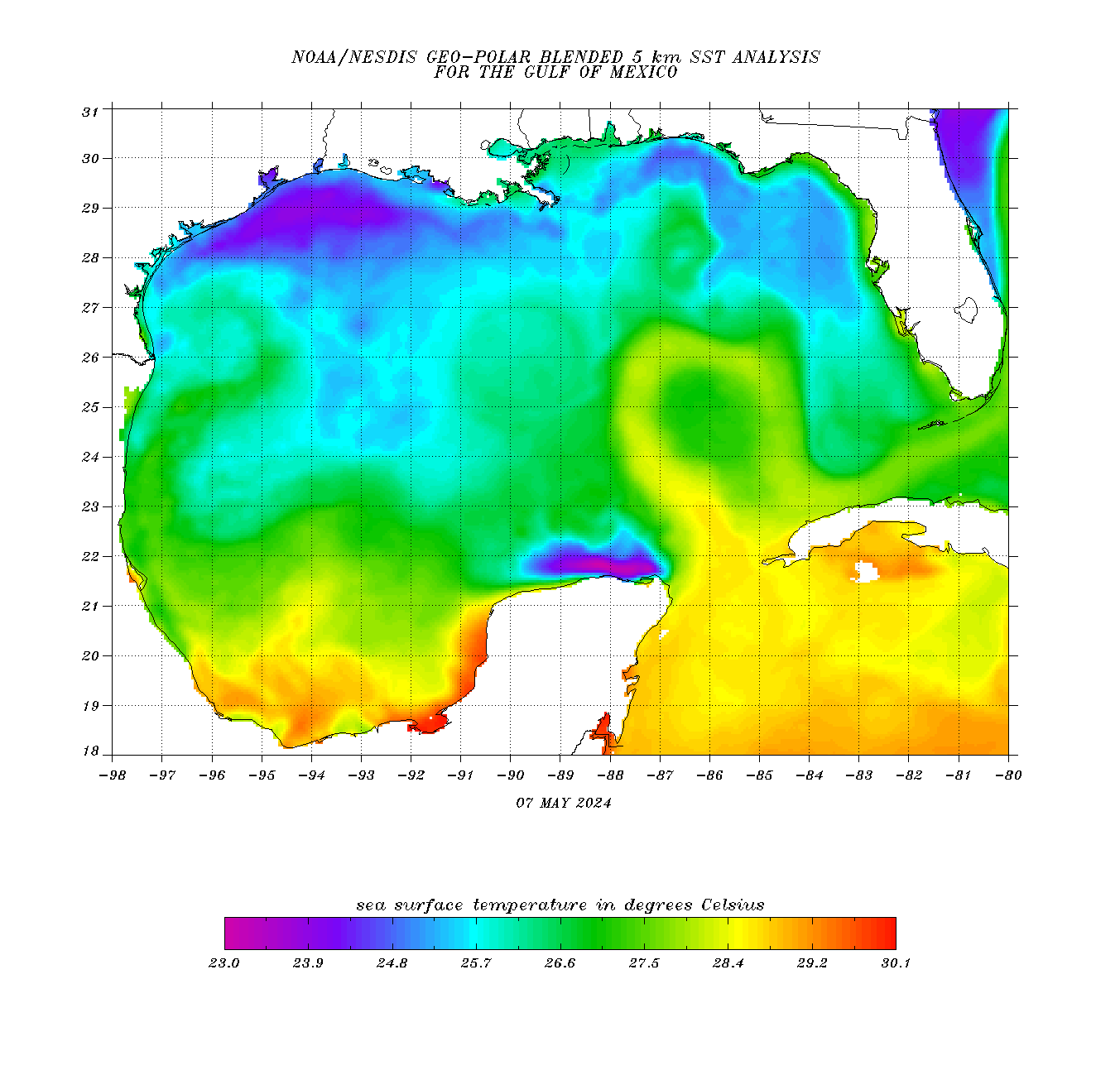
Current satellite-derived temperature contours.
Departures from typical sea-surface temperatures.
Coral heat stress
Areas where temperatures exceed the local monthly maximum.
Near-real-time satellite products showing coral heat stress.
Cumulative thermal stress experienced by coral reefs.
Other ocean indicators
Satellite-observed height compared with a mean sea surface.
Chlorophyll, algal bloom and ocean-color observations.
Long-term context for changes in polar sea ice.
Deep-ocean Assessment and Reporting of Tsunami observations.
Reefs and diving
Program information covering artificial reefs, wreck sites and marine habitat initiatives.
Artificial reef programs
Information about designed reef structures and rehabilitation projects.
Marine research
Institutions, species databases and public-facing resources for investigating ocean life and habitats.
Research institutions and programs
Australian scientific research spanning oceans, atmosphere and climate.
A scientific database documenting interactions between sharks and people.
Species and habitat databases
How we maintain the desk
Underwater Times organizes useful starting points but does not control or endorse the content of external websites.
Group
Resources are arranged around weather, ocean observations, habitats and research tasks.
Describe
Each short note explains the practical purpose of the linked resource.
Prioritize
Official monitoring services and established research organizations are emphasized.
Review
Readers can report a broken or misleading reference through the feedback page.
Reference desk FAQ
Does this page provide emergency warnings?
No. Always use the responsible national or local authority for current warnings, evacuation instructions and safety decisions.
Are all external resources free to use?
Many are public resources, but access and reuse terms are set by each external publisher. Check its terms before downloading or republishing material.
How should I interpret experimental forecast models?
A single model run is not an official forecast. Compare it with guidance from the relevant meteorological authority and consider uncertainty.
Why might an external link look different from its description?
External organizations can move, rename or retire pages without notice. The directory describes the intended resource rather than guaranteeing continued availability.
How can I report a broken link?
Use the feedback page and identify the resource and destination that needs review.